Get Residential Lawn Aeration
Residential lawn aeration services involve local contractors removing soil plugs to improve grass health, reduce compaction, and promote better water and nutrient absorption.
If property owners are considering ways to improve the health and appearance of their lawns, residential lawn aeration services are worth exploring. Proper aeration can help reduce soil compaction, promote better root growth, and enhance water and nutrient absorption. For those in the area looking to maintain a lush, vibrant yard, connecting with experienced local contractors can provide the expertise needed to evaluate and address specific lawn needs effectively.
Understanding the options available within the local area can help property owners plan their landscaping projects with confidence. Comparing different service providers ensures that the work aligns with individual lawn conditions and personal preferences. By exploring local professionals who specialize in lawn aeration, property owners can find solutions tailored to their property, making it easier to achieve a healthy, resilient yard.
- Residential Lawn Aeration - homeowners may need this service to improve soil health and promote healthier grass growth.
- Residential Lawn Aeration - property owners might seek aeration to reduce soil compaction and enhance water absorption.
- Residential Lawn Aeration - those experiencing patchy or thinning grass may benefit from professional aeration to rejuvenate their lawns.
- Residential Lawn Aeration - individuals preparing their yard for seasonal changes often contact local contractors for aeration services.
- Residential Lawn Aeration - homeowners looking to increase nutrient uptake and overall lawn vitality can connect with local service providers.
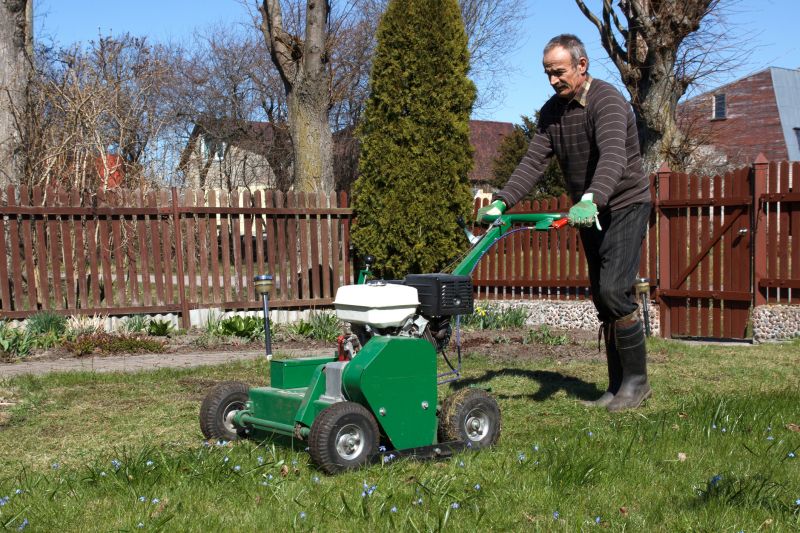
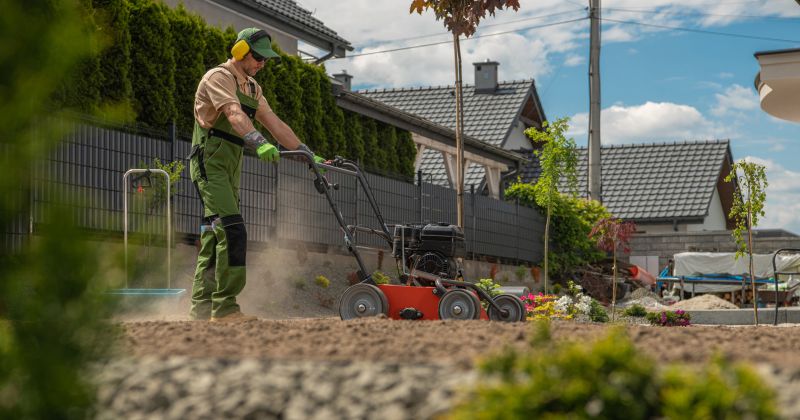
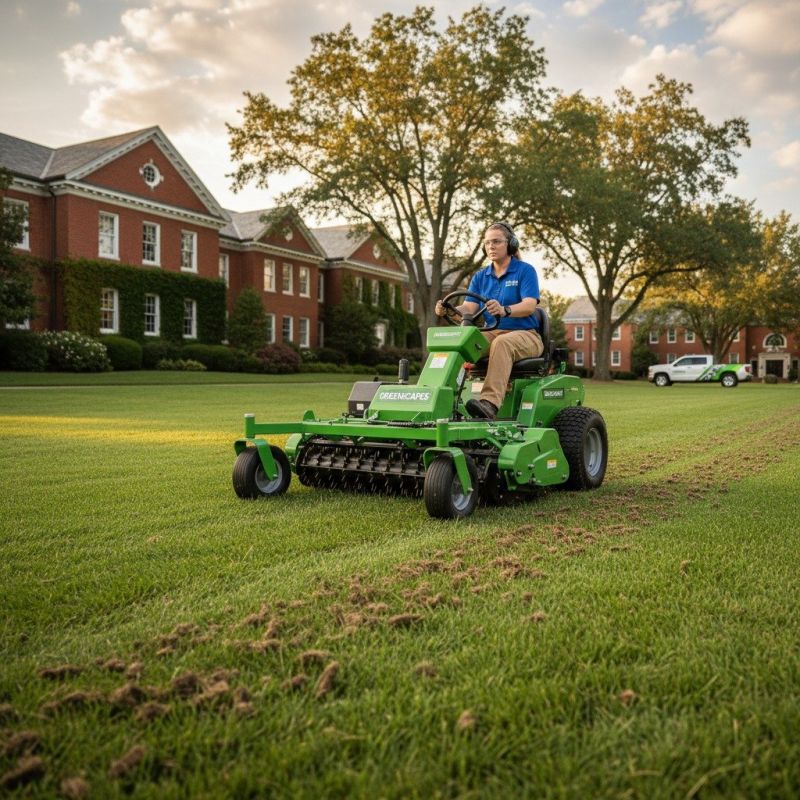
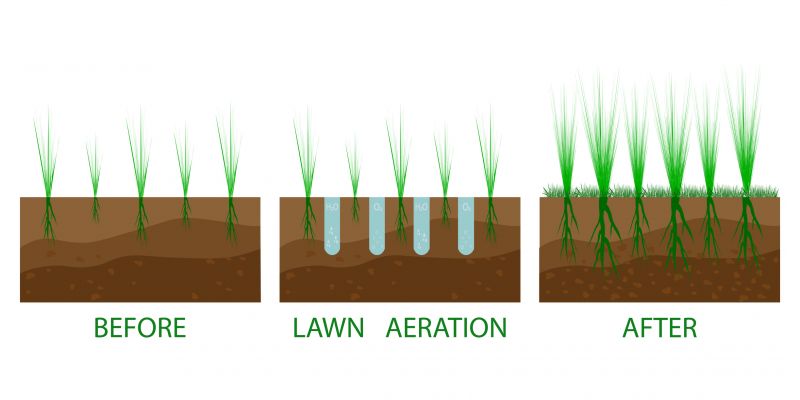
Residential lawn aeration services involve creating small holes in the soil to improve its overall health and vitality. This process typically uses specialized equipment to remove plugs of soil or create channels that allow air, water, and nutrients to penetrate deeper into the ground. By loosening compacted soil and reducing thatch buildup, aeration helps grass roots grow stronger and more resilient. Homeowners often choose this service as part of their regular lawn maintenance or when preparing the yard for overseeding or fertilization.
Aeration addresses several common lawn problems, including soil compaction, poor drainage, and uneven grass growth. When soil becomes too dense, roots struggle to access essential nutrients and moisture, leading to thin, patchy, or weak turf. Over time, thatch-a layer of dead grass and roots-can accumulate, preventing water and nutrients from reaching the soil. Aeration helps break up these barriers, encouraging healthier root development and resulting in a thicker, more vibrant lawn. It’s especially beneficial for lawns that see heavy foot traffic or are located in compacted or clay-rich soils.
This service is suitable for a variety of residential properties, from small yards to larger estates. Homes with lawns that appear dull, thin, or patchy often benefit from aeration. It’s also recommended for properties where the soil feels hard or resistant to digging, or after periods of drought or heavy rain that can lead to soil compaction. Lawn aeration can be particularly advantageous for properties with high foot traffic, sports courts, or heavily landscaped yards, where soil tends to become compacted more quickly over time.
Homeowners who notice their grass struggling to grow, develop uneven patches, or show signs of poor drainage may find aeration to be a practical solution. It’s an effective way to revitalize tired lawns and promote healthier, thicker growth. Local service providers can assess individual yard conditions and determine if aeration is appropriate, helping homeowners maintain a lush, healthy landscape. Contacting experienced contractors ensures the job is done properly, leading to a more resilient and attractive lawn.
The overview below groups typical Residential Lawn Aeration projects into broad ranges so you can see how smaller, mid-sized, and larger jobs often compare in your area.
In many markets, a large share of routine jobs stays in the lower and middle ranges, while only a smaller percentage of projects moves into the highest bands when the work is more complex or site conditions are harder than average.
Small Residential Properties - Typical costs for aeration on smaller lawns generally range from $250 to $600. Many routine projects fall within this middle band, making it a common price point for local contractors. Larger or more complex jobs may exceed this range.
Medium-sized Lawns - For average-sized residential lawns, the cost usually falls between $600 and $1,200. Most projects in this category are straightforward and stay within this range, with fewer instances reaching higher prices for additional services or difficult terrain.
Large or Difficult Sites - Larger properties or those with challenging soil conditions can see costs from $1,200 to $2,500. These projects are less common but may require extra equipment or time, pushing prices toward the higher end of the spectrum.
Full Lawn Renovation or Complex Projects - Extensive aeration or combined landscaping work can range from $2,500 to $5,000 or more. Such projects are less typical and often involve multiple services or significant site preparation handled by local service providers.
Actual totals will depend on details like access to the work area, the scope of the project, and the materials selected, so use these as general starting points rather than exact figures.
Soil Cultivation Services - Local contractors offering soil cultivation help improve soil health and prepare lawns for better growth, similar to aeration processes.
Core Drilling Services - These projects involve using specialized tools to create precise holes in hard surfaces, akin to the equipment used in lawn aeration.
Landscape Drainage Installation - Professionals installing drainage systems work with soil and underground planning, complementing aeration to promote healthy turf growth.
Topsoil Spreading Services - Applying and leveling topsoil requires planning and soil manipulation skills similar to those used in aeration projects.
Garden Bed Preparation - Preparing garden beds involves soil turning and aeration techniques to ensure optimal plant growth conditions.
Underground Irrigation System Installation - Installing irrigation involves underground planning and soil work, paralleling the skills needed for lawn aeration.
When evaluating residential lawn aeration service providers, it is important to consider their experience working on similar projects. A contractor with a history of performing aeration for homes comparable in size and lawn type can offer valuable insight into their familiarity with the specific needs of your yard. This experience often translates into more efficient service and a better understanding of how to achieve optimal results for your lawn’s health. Asking potential service providers about their past work on comparable properties can help gauge their expertise and comfort level with projects like yours.
Clear, written expectations are essential when choosing a local contractor for lawn aeration. A reputable provider should be willing to outline the scope of work, including the methods they plan to use and any preparations needed on your part. Having these details in writing helps ensure everyone is on the same page and reduces the chance of misunderstandings. It’s also beneficial to review any references or reviews available, as they can provide insight into the contractor’s reliability and the quality of their previous work. Reputable references can serve as a valuable resource for confirming that the service provider consistently meets or exceeds client expectations.
Effective communication is a key factor when selecting a service provider for lawn aeration. A professional contractor should be responsive to inquiries and able to provide clear explanations about their process and services. Good communication helps build trust and ensures that any questions or concerns are addressed promptly. Keep in mind that the site introduces homeowners to local options and does not perform the work itself; it is designed to connect individuals with qualified local service providers. Taking the time to compare how different contractors communicate and handle inquiries can make the process of scheduling and completing the project smoother and more satisfactory.
Property owners use Residential Lawn Aeration services for practical projects around their homes and businesses. This guide focuses on everyday jobs and straightforward project options.
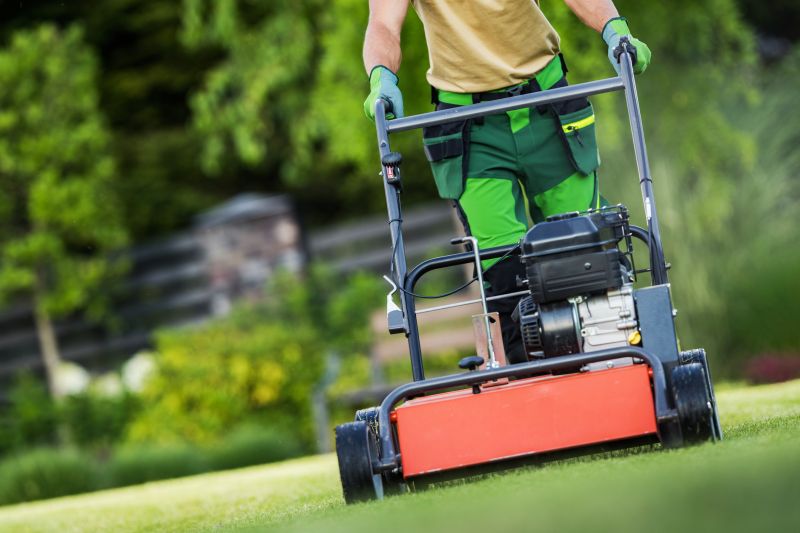
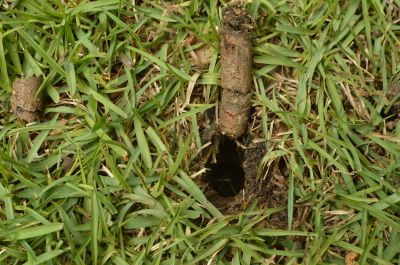
Residential lawn aeration services are often sought after by property owners who notice their grass appearing thin, patchy, or struggling to recover after heavy foot traffic or drought conditions. Homeowners may also look for aeration when soil compaction becomes an issue, making it difficult for water, air, and nutrients to reach the roots effectively. Local contractors can help improve lawn health by creating small holes that allow the soil to breathe, promoting stronger, greener grass and a more resilient yard overall.
Additionally, property owners might consider lawn aeration when preparing for seasonal changes or planning landscaping projects. Over time, lawns can develop a dense thatch layer or become compacted from regular use, which can hinder healthy growth. Local service providers can assess these conditions and provide aeration solutions that help maintain a lush, vibrant lawn, ensuring the outdoor space remains attractive and functional throughout the year.
What is lawn aeration and why is it important? Lawn aeration involves creating small holes in the soil to improve air, water, and nutrient penetration, promoting healthier grass growth and reducing soil compaction.
How often should residential lawns be aerated? Most lawns benefit from aeration once or twice a year, especially in areas with heavy foot traffic or compacted soil.
What types of tools do local contractors use for lawn aeration? Professionals typically use core aerators or spike aerators to effectively loosen soil and enhance lawn health.
Can lawn aeration be combined with other lawn care services? Yes, aeration can be paired with overseeding, fertilization, or dethatching for comprehensive lawn maintenance.
How can I find local contractors who offer lawn aeration services? Use this site to compare and connect with local service providers experienced in residential lawn aeration.
Improve Lawn Health - Lawn aeration can help property owners improve the overall health of their grass by allowing better airflow, water absorption, and nutrient penetration.
Prepare for Seeding or Overseeding - This service can create optimal conditions for new grass seed to take root and grow more effectively in existing lawns.
Reduce Soil Compaction - Property owners can use aeration to alleviate soil compaction caused by foot traffic or heavy equipment, promoting healthier root growth.
Enhance Drainage - Lawn aeration can help improve water drainage in areas prone to pooling, reducing the risk of standing water and related issues.
If you are thinking about Residential Lawn Aeration for a property, this guide is meant to help you understand the work, the typical project types, and how different options might fit your plans.
When you are ready, you can use the quote form on this page to share a few details about your project. From there, local pros can review the basics and respond with options that match what you have in mind.