Spring Soil Aeration Services From Local Contractors
Spring is the ideal time to improve lawn health by connecting with local contractors who specialize in soil aerating to promote lush, resilient grass.
Spring is a popular season for soil aerating because it marks the beginning of active growing periods for lawns and gardens. As temperatures rise and the ground thaws, property owners often look to prepare their yards for the upcoming season of lush growth and vibrant landscaping. Aerating during this time helps to alleviate soil compaction, improve airflow, and promote healthier root development, making it a practical step to enhance overall lawn health and appearance.
Typically, soil aerating services involve perforating the soil with small holes to allow air, water, and nutrients to penetrate deeper into the ground. This process can be performed using specialized equipment that removes small cores of soil or creates holes without disturbing the surface significantly. In addition to reducing soil compaction, aeration can also aid in alleviating thatch buildup and improve water absorption, which are common issues for many lawns during the spring. Property owners may also choose to combine aeration with overseeding or fertilization to maximize the benefits for their turf.
When comparing local service providers for soil aerating, property owners should consider the range of services offered, the experience of the contractors, and the methods used to ensure the work aligns with the specific needs of their landscape. It’s helpful to review the reputation of local contractors through reviews or references, and to inquire about their familiarity with regional soil conditions and grass types. By evaluating these factors, property owners can select a service provider that best fits their yard’s requirements and ensures a healthy, thriving lawn throughout the spring and beyond.
Compare local contractors to find the best fit for your spring soil aerating project and prioritize your needs.
- Enhance Lawn Health - Soil aeration promotes better nutrient absorption and overall grass vitality.
- Prepare for Spring Growth - Aerating helps create optimal conditions for new grass and seed establishment.
- Improve Drainage - Proper aeration reduces soil compaction, allowing excess water to drain effectively.
- Connect with Local Contractors - Skilled service providers can assess and perform soil aeration tailored to specific lawn needs.
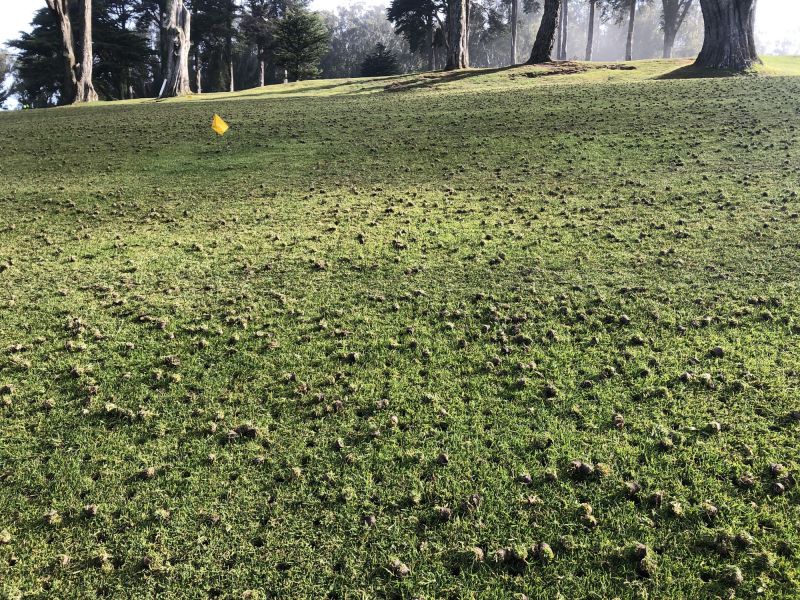
Compare different soil aerating options clearly before connecting with local service providers to ensure the best spring lawn refresh.
- Assess soil compaction levels - determine if the soil feels dense or hard to improve aeration effectiveness.
- Look for areas with poor drainage or water pooling - these spots may benefit most from soil aerating to enhance absorption.
- Identify compacted or heavily trafficked zones - high-traffic areas often require targeted aeration to promote healthy root growth.
- Check for thatch buildup or thick layers of organic matter - excessive thatch can hinder air and water movement in the soil.
- Consider soil type and condition - different soils may need specific aeration techniques, which local contractors can recommend.
- Evaluate overall lawn health and growth patterns - uneven or sluggish growth can indicate the need for soil aeration to boost vitality.
Spring is an ideal time to consider soil aerating with trusted local contractors to boost lawn health.
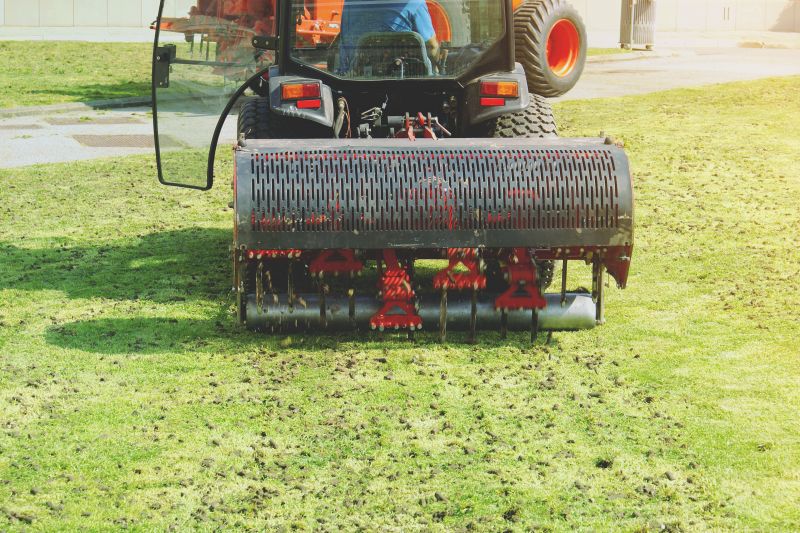
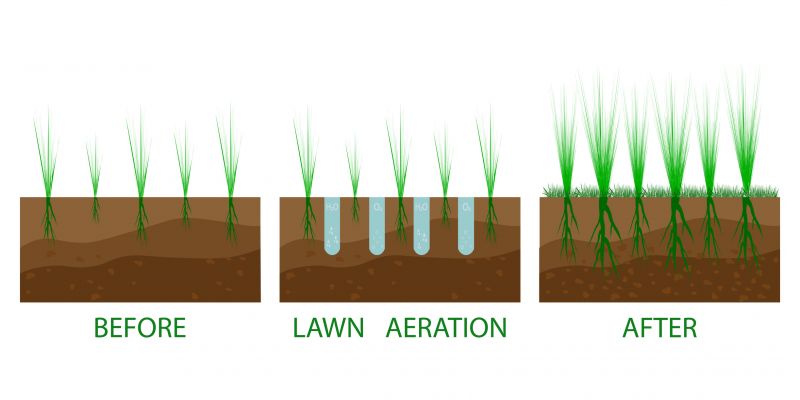
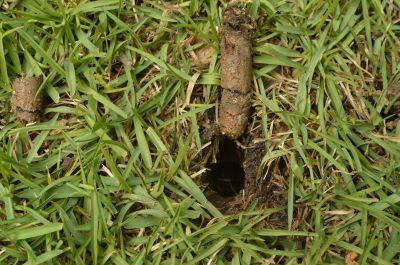
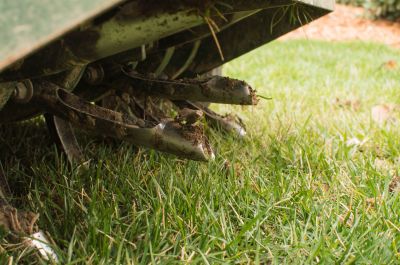
Prioritize your soil aerating needs and compare local contractors to find the best fit for your spring project.
- Soil Aerating - Spring is an ideal time to improve lawn health by aerating compacted soil to promote better airflow and nutrient absorption. Local contractors can provide core or spike aeration services to prepare lawns for the growing season.
- Soil Preparation - Aerating helps loosen the soil, making it easier to overseed or apply fertilizers effectively during spring planting. Service providers can assess soil conditions and recommend appropriate aeration techniques.
- Lawn Revival Projects - Incorporating soil aeration as part of a spring lawn revival can enhance grass growth and overall turf quality. Local pros can help determine the best aeration methods for specific yard needs.
- Garden Bed Improvement - Aeration can be used to break up soil in garden beds, improving root development for flowers, vegetables, and shrubs. Experienced service providers can assist with targeted aeration to support healthy plant growth.
- Soil Health Assessment - Spring is a good time to evaluate soil condition and consider aeration to address compaction issues. Local contractors can perform soil testing and recommend aeration strategies to optimize yard health.
Compare local service providers specializing in soil aerating to find consistent quality options for your spring lawn refresh.
- Purpose - Define the main goal of soil aerating to improve soil health and promote healthy grass growth.
- Tools and Equipment - Identify the types of aerating tools or machines that local contractors typically use for the job.
- Preparation - Outline necessary steps for preparing the lawn and surrounding areas before soil aeration.
- Process - Describe the general technique and coverage area that local service providers should follow during aerating.
- Post-Aeration Care - Specify recommended follow-up actions, such as overseeding or fertilizing, to maximize benefits.
When comparing local contractors for soil aerating services during the spring season, it’s important to consider their experience with similar projects. Homeowners should inquire about how long a service provider has been performing soil aeration and whether they have worked on properties with comparable lawn types or soil conditions. An experienced contractor will typically have a better understanding of the specific challenges that can arise during springtime aeration, ensuring the job is completed effectively and efficiently.
Clear communication about the scope of work is essential when evaluating options. Homeowners should seek detailed descriptions of what the soil aeration process includes, such as the size of the area to be treated, the equipment used, and any additional services offered. A transparent scope helps set proper expectations and ensures that all parties are aligned on the project’s objectives, reducing the likelihood of misunderstandings or overlooked tasks.
Work planning considerations are also key when selecting a service provider. It’s helpful to discuss how each contractor approaches scheduling and preparation for the project, especially in the spring when yard conditions can vary. Understanding their planning process-such as site assessment, timing, and how they handle obstacles like landscaping features-can provide insight into their professionalism and ability to adapt to your property’s specific needs.
Finally, homeowners should evaluate options based on the quality of the service provider’s reputation and their approach to project planning rather than solely focusing on cost. Looking into how local contractors communicate, the level of detail in their proposals, and their willingness to answer questions can reveal their commitment to customer service. Comparing these aspects can help identify service providers who are well-equipped to deliver reliable soil aeration tailored to springtime lawn care needs.
Request written details to ensure clarity and maintain consistent scope when comparing soil aerating services.
- Soil Aerating Techniques - How do different local contractors approach soil aeration to ensure optimal lawn health?
- Service Scope Comparison - What specific soil aerating methods and equipment do local providers typically include in their services?
- Experience with Spring Soil Conditions - How do local service providers tailor soil aeration to address common spring soil challenges?
- Coverage and Area Scope - What is the typical scope of soil aeration services offered by local contractors for different yard sizes?
- Additional Spring Lawn Services - Do local pros combine soil aeration with other spring lawn care treatments to prepare the soil effectively?
What is soil aerating? Soil aerating involves creating small holes in the ground to improve air, water, and nutrient movement within the soil, promoting healthier lawn and garden growth.
Why should I consider soil aerating in spring? Spring is an ideal time to aerate as it helps prepare the soil for new growth, reduces compaction, and enhances the effectiveness of fertilization and overseeding efforts.
How do local contractors perform soil aerating? Professionals typically use specialized equipment like core aerators or spike aerators to remove soil plugs or create holes, ensuring minimal disruption and optimal soil improvement.
What are the benefits of soil aerating? Aerating can lead to a thicker, healthier lawn, improved drainage, reduced soil compaction, and better absorption of nutrients and water.
Can soil aerating be done on any type of soil? Soil aerating is suitable for most soil types, especially compacted or clay soils, but the method may vary depending on soil conditions, which local service providers can assess.
What preparations are needed before soil aerating? It's recommended to water the lawn thoroughly beforehand and remove any debris or obstacles to allow the equipment to work effectively and ensure even aeration.
Spring is an ideal time to prepare lawns for healthy growth by improving soil conditions through aeration. Visitors have learned that soil aerating helps reduce compaction, enhances nutrient absorption, and promotes stronger root development, leading to a more vibrant and resilient yard. To find the right local contractors for this task, using the quote form to compare options can provide clarity and confidence in selecting a service provider that meets specific needs.
By exploring local service providers through the quote form, homeowners can connect with experienced contractors who specialize in soil aeration and related lawn care services. This approach makes it easier to evaluate different options and find a trusted professional to support springtime lawn improvement projects.
Providing clear details about your soil aerating project helps local contractors understand your needs and plan effectively.
- Soil Condition - information about the current soil health and compaction levels to determine aeration needs.
- Property Details - specifics about the size and type of lawn or garden area requiring aeration services.
- Previous Treatments - details about any prior soil treatments or lawn care that may affect aeration approaches.
- Scheduling Preferences - preferred dates or seasons for performing soil aeration to fit seasonal lawn care plans.